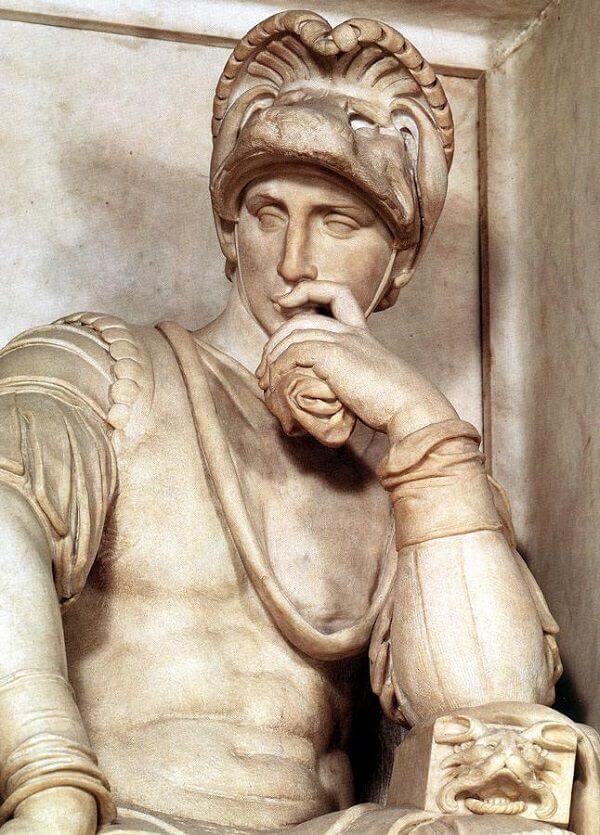
The Kennedy’s would have been our Medici’s if “they” hadn’t…well, you know.
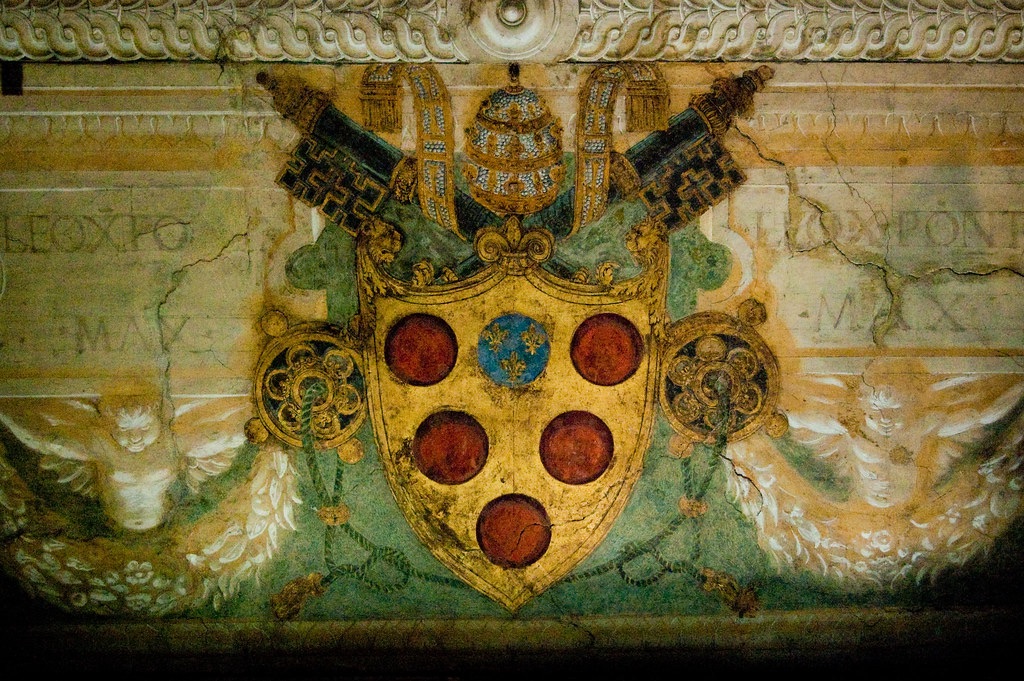
Courtesy of the Vatican Museum
An element often overshadowed by the historical significance of its many other driving forces, we tend to forget that much of the creative and cultural explosion attributed to the Renaissance was made possible due to a very specific shift in power during the period leading up to it. The stage had been set by a status quo defined by its ruling class: a network comprised by a privileged elite who were subversively connected at the highest branches of various institutions. More often than not, these were men who sat atop the hierarchies of government and religion, the pair being mostly unrivaled in scope; but a handful of other machinations held enormous influence as well. Banks, in particular, competed for societal influence, with finance being such a vital component of a nation’s economic growth. These men and their ilk controlled the vast majority of the Mediterranean, what many would consider the world’s center stage at the time. It was their stranglehold over everyday lives of the peasantry, coupled by a tendency to stifle any hope of upward social mobility, that led to a workforce which held them in nearly unanimous contempt.
Enter the Medicis: a family that emerged out of Tuscany whose meteoric rise “broke the wheel”, as a certain Queen of Dragons would say. Their bloodline grew to not only achieve dynastic ownership of Europe’s largest and arguably most well-respected bank, they also managed to obtain a vast political prominence spanning multiple generations. All it takes is a quick glance at this list to fully appreciate the heights they managed to reach. Becoming industry OGs who set the bar for such towering houses as Warburg, Morgan, Baring, and Rothschild is unquestionably impressive, sure. But you’d be hard pressed to find many surnames that also boast four popes on the roster.
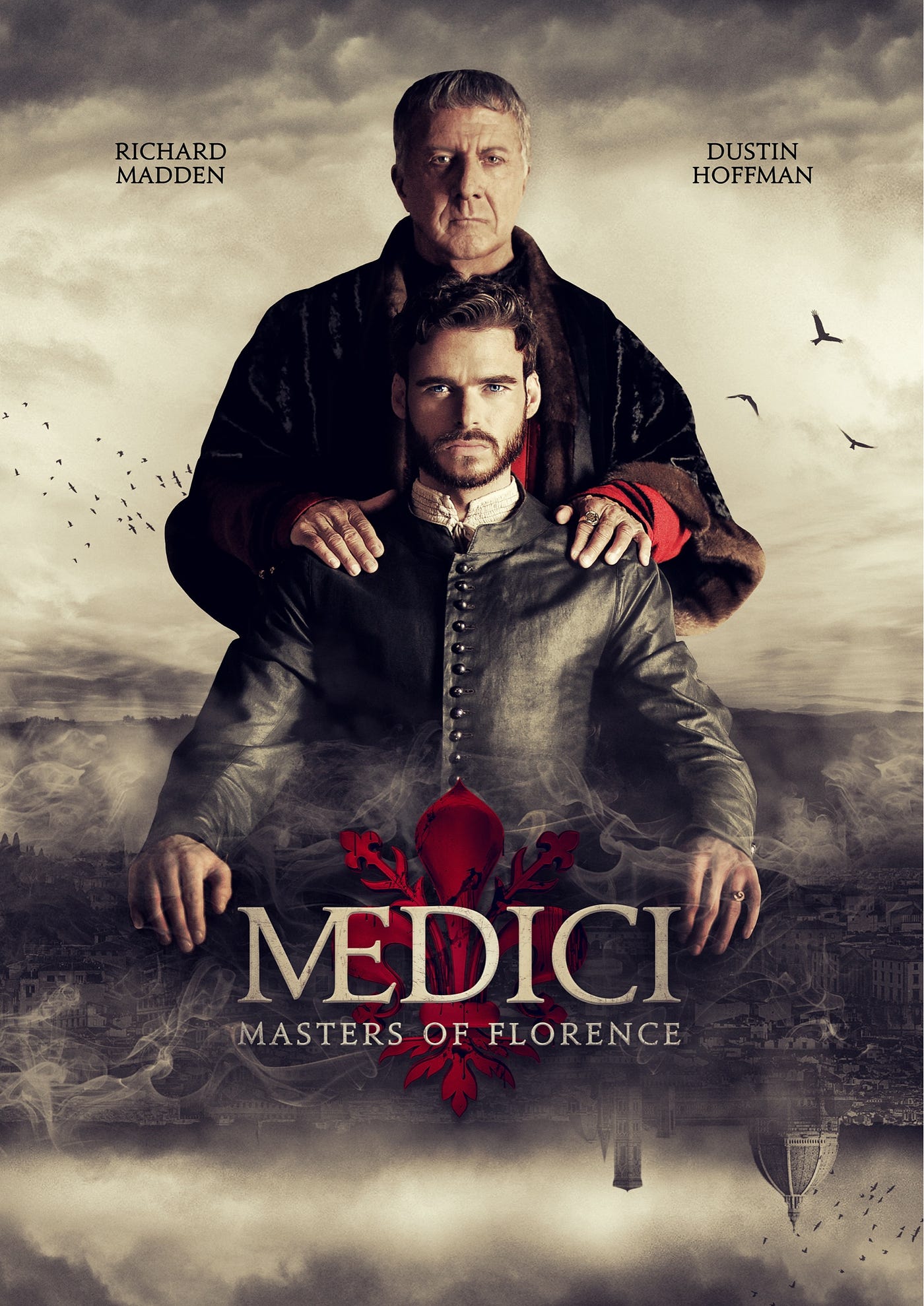
With the exception of a rare few, the Medicis were widely known for underpinning policies aimed toward uplifting the commonfolk. Their internal values instilled from birth drove them to strive for improvement of a dominion’s quality of life; particularly for those not fortunate enough to have been born into wealth. This insatiable passion for the general betterment of society became one of the primary reasons why the period is famous for an unprecedented outpour of support for innovative artistic, intellectual, and creative pursuits. Were it not for Medici coin, in fact, many of the most recognizable names in Humanity’s History Book would never have been inked in the first place.
A manifold of fifteenth-century monoliths of the mind, all known for strokes of genius still memorialized today, only became as such due to crucial financial and civic support from the ancestry’s most notable member: Lorenzo the Magnificent. His patronage, monetary and otherwise, helped generate the environments necessary for these brilliant minds to thrive; allowing them to consume themselves in their respective crafts. Lorenzo’s commitment of alleviating the many distractions associated with life as a commoner from those gifted in the art of creation enabled droves of artists, architects, philosophers, and so on to produce an output so awe-inspiring that it sparked an explosive evolution of our entire civilization. His provision of the workspace and resources required by these individuals gave us the likes of Michelangelo, Da Vinci, Rafael, Brunelleschi, Galileo, Botticelli, and countless more. For lack of better terms, the Medicis essentially bankrolled The Renaissance, with Lorenzo’s generosity just further emphasizing how the family’s cultural impact, still significant even now, cannot be overstated.
As we look upon the world as it exists today, it’s no secret that a fear or sense of foreboding is permeating throughout; and one that likely isn’t dissimilar from those in a land once controlled by Albizzi et al., a type of ruler outlined in the poem below. Yet, even in the midst of historic degrees of divisiveness, there’s one fact on which I believe we all agree: our current selection of leaders sure don’t seem to be made of Medici standards.
So here’s to hoping that someday, just as Florence did so long ago, we look up — only to see those who embody values as close to the heart as that once-in-an-era, truly magnificent bloodline.
The Noble House of Medici
Born of goodwill, ironclad
A grip on all, this family had
A legacy that lives today
Some may ask: who were they?
Patrons to the arts and crafts
Financed sculptures, paints, and drafts
A bankroll that produced the Dome
Pleasing their great client: Rome
Lifeblood to the Pope’s account
Historians will oft recount
Holy coin held them afloat
It’s said it started with a boat
A ship set sail, with goods, you see
A ship owned by the Albizzi
They hailed from wealth, these oligarchs
In seas of fish, they swam as sharks
This ship would wreck, which weakened them
At last Albizzi’s were condemned
This shook, like mines of Moria
The ruling class Signoria
For once, the people raised their brow
Took notice, things were changing now
Elected, Florence fine’ly would
Magnificence: those born of good
A leader, strong, and pure of heart
Who loved the world and all its art
A family name they grew to know
Who gave them Michelangelo
Rafael, Brunelleschi
Leonardo, Botticelli
Provided for their needs and wants
Medici-made: The Renaissance
From Giovanni, Cosimo
To legendary Lorenzo
Rulers, gentle, tough in need
This bloodline out of Tuscany
Enabled talent, gifted hands
To sculpt anew once barren lands
A reign that echoed generations
Uplifting those of lowly stations
A House, today, that’s but mere dream
For ours burned down with Kennedy
It stifles power: a people, free
Returned, it seems, has Albizzi
A likeness, now, our world awaits
Signoria saved with love, and grace
Aside, in Halls of History
That noblest House of Medici